Unrivaled diversity
Captured across every imaginable environment: hospitality, education, manufacturing, logistics, and retail. This diversity exposes algorithms to the full spectrum of real-world usage.
Data Asset
NoWatt's dataset was assembled through two decades of capturing continuous electrical consumption across diverse sectors and appliances. The commercial value now sits in the resolution, estate/appliance diversity, and 20 years coverage: it provides the perfect foundation to train self-monitoring equipment.
Why it matters
Lab data explains expected behavior. 20 years of high-resolution electrical consumption exposes what products actually encounter in the wild.
Captured across every imaginable environment: hospitality, education, manufacturing, logistics, and retail. This diversity exposes algorithms to the full spectrum of real-world usage.
Continuous, high-frequency electrical consumption data that captures the exact energy signatures of degradation, drift, and abuse.
You cannot simulate 20 years of slow equipment failure in a lab. The dataset contains two decades of true lifecycle degradation and intervention patterns.
Scale and provenance
This is not a synthetic benchmark. The data was built through live deployment, across many organizations and operating conditions, over a long enough period to make long term behavior meaningful.
Years of data
20
Continuous real-world operating data since 2006
Sectors
10+
Hospitality, education, manufacturing, utilities, and more
Organizations
75+
Large operators and multi-site estates
Devices monitored
100,000+
Appliances, systems, and monitored endpoints
Datapoints
100bn+
Captured across two decades of real operating history
Sensors deployed
20,000+
Installed across sites, assets, and infrastructure
What it contains
Manufacturers often have partial visibility into fleet behavior. This dataset adds the context that changes interpretation: environmental variation, settings drift, human intervention, abnormal operation, and the different ways products are actually stressed after deployment.
How it was built
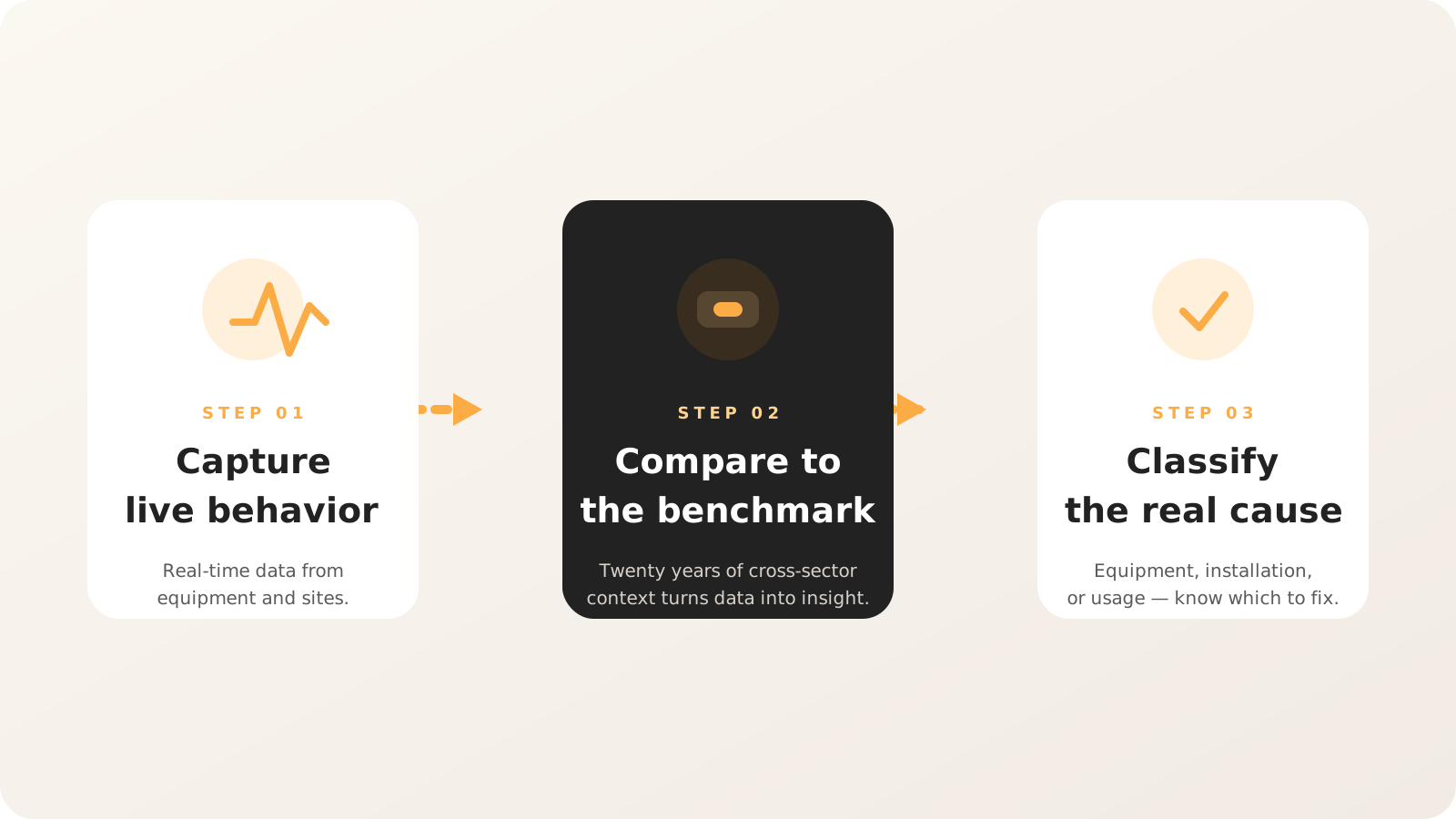
NoWatt spent years instrumenting and interpreting live operating environments. That matters because it explains why the dataset exists and why it is difficult to reproduce. The current commercial opportunity is not generic monitoring deployment. It is what the accumulated operating history can now do for manufacturers.
Capture live operating behavior
High-resolution operating data is captured in real-time, so performance can be understood in the context of load, weather, seasonality, and human behavior.
Compare against the benchmark
Live data is compared against twenty years of real-world operating behavior across sectors, sites, and hundreds of thousands of devices.
Classify the real cause
The benchmark shows whether the issue sits in the equipment, the installation, or the way it is being used, so teams know what to fix first.
Real world diversity
Manufacturers benefit because different operating environments generate different stress patterns, usage signatures, and failure modes. The more diverse the data, the more useful the comparative context becomes.

Multi-site estates
High appliance density, 24/7 operation, and consistent fault patterns make this one of the richest sectors in the dataset.
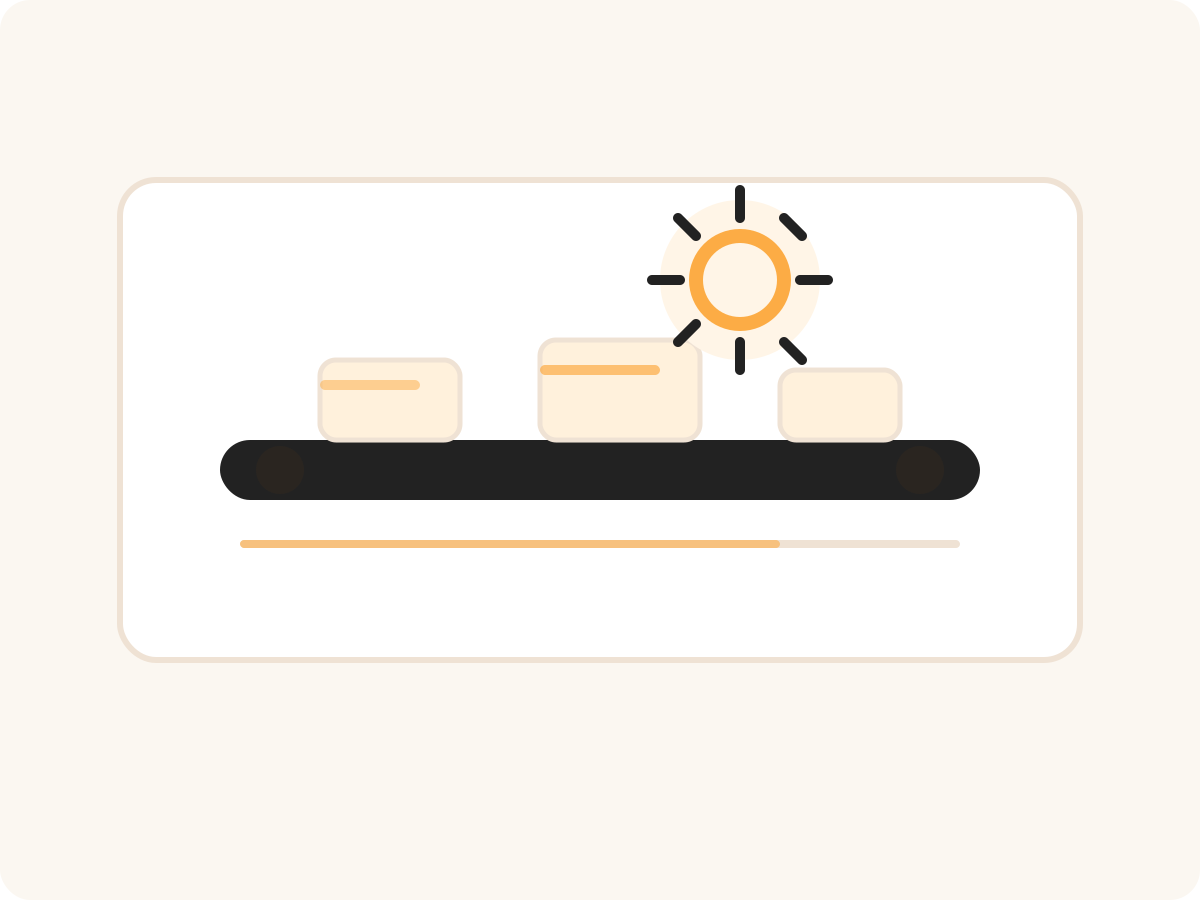
Process equipment
Process loads, duty cycles, and wear patterns across plant and production equipment build a strong benchmark for anomaly detection.
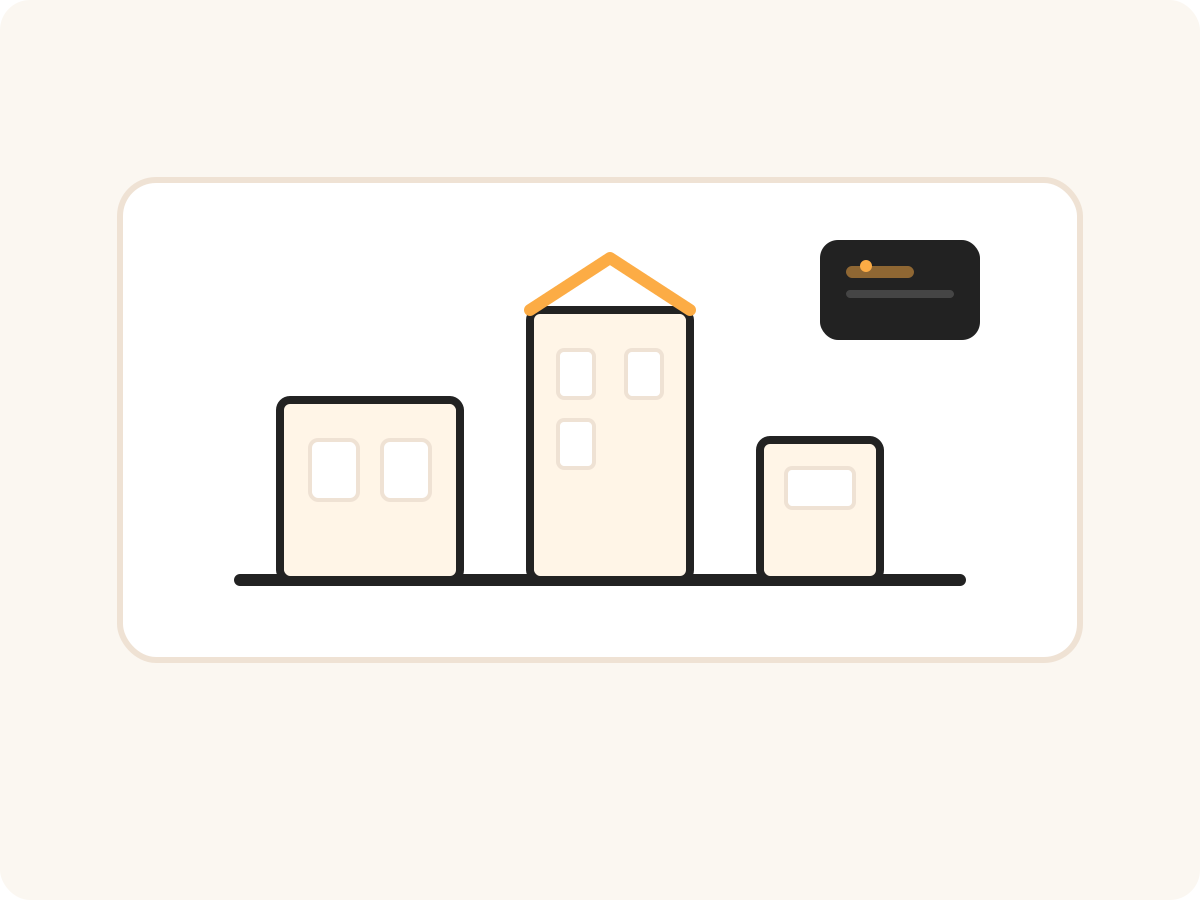
Large building portfolios
Seasonal occupancy patterns and diverse building types add unusual variability that sharpens the analysis model.
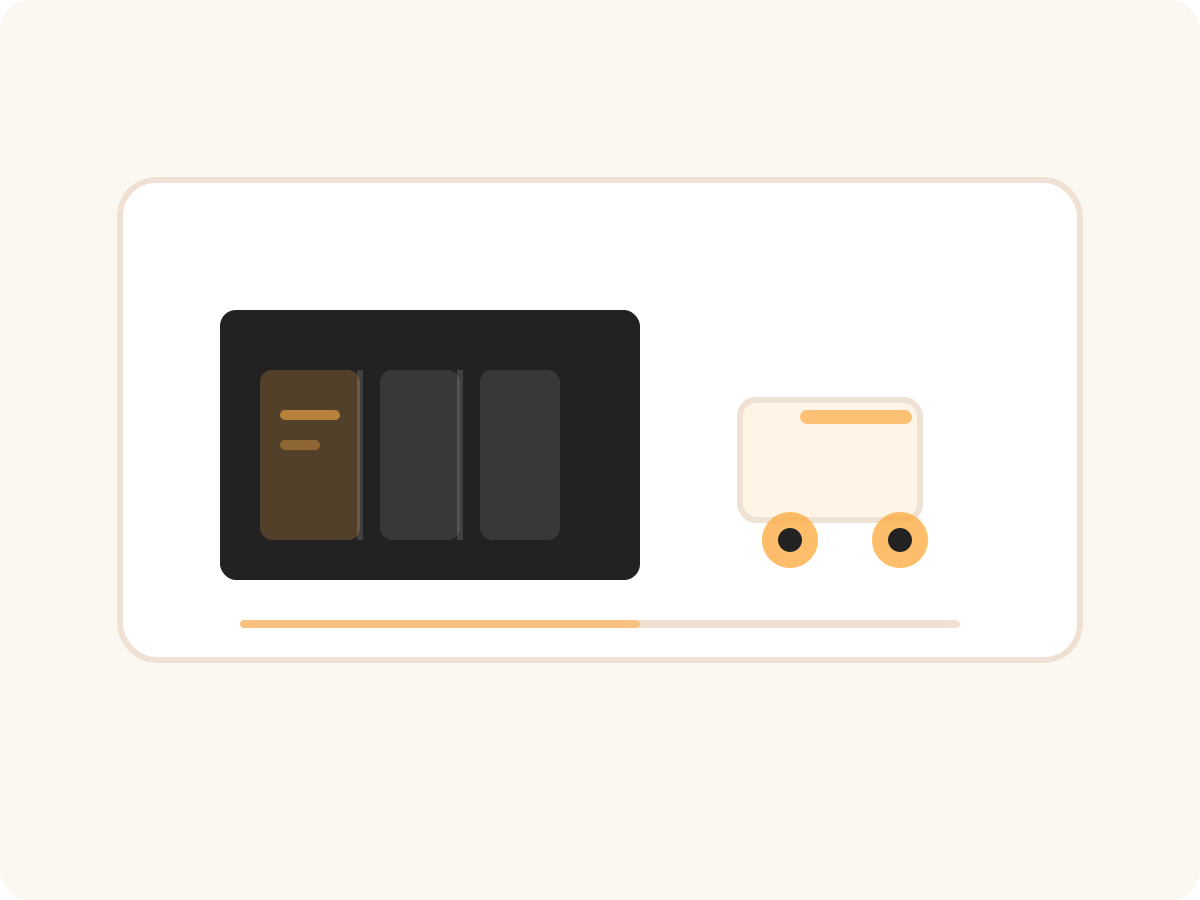
Continuity-critical assets
Refrigeration, heating, and building services in supply-chain environments where unplanned downtime has direct commercial cost.
Next step
The next question is not whether the benchmark exists. It is how that operating history could improve diagnostics, service, and product performance in your category.